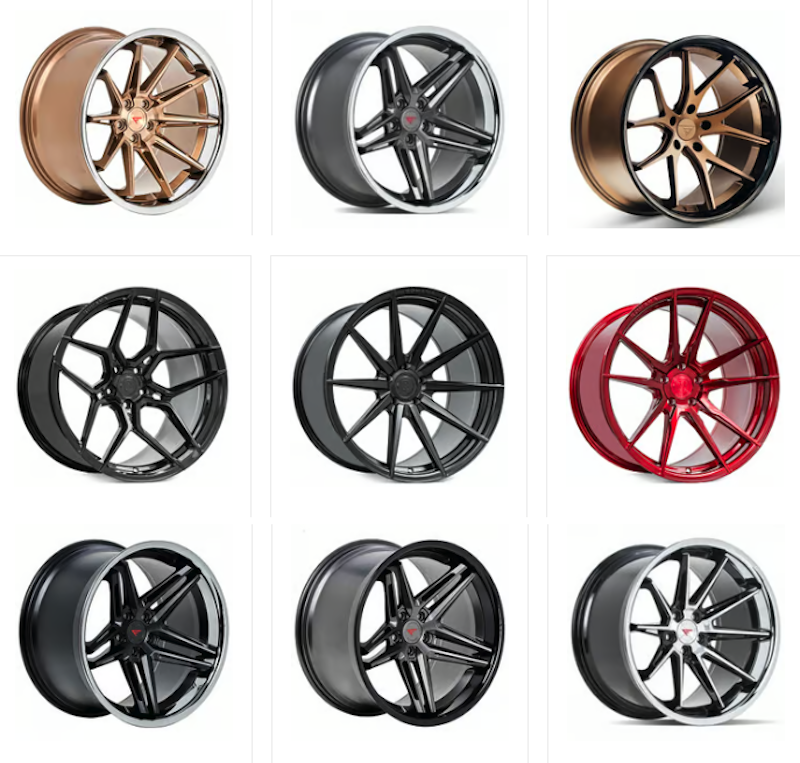
If you’re considering upgrading your vehicle’s wheels, you may have come across the term “staggered wheels.” But what exactly are they, and are they right for your vehicle?
Staggered wheels are popular among car enthusiasts, especially for performance vehicles, because they can enhance both aesthetics and handling. However, they’re not suitable for every type of vehicle or driving style.
In this guide, we’ll explain what staggered wheels are, their pros and cons, and help you determine if they’re the right choice for your vehicle.
What Are Staggered Wheels?
Staggered wheels refer to a setup where the wheels on the rear axle of the car are wider than those on the front axle.
This means the rear wheels and tires have a larger width (and sometimes diameter) compared to the front wheels. The goal of this setup is to improve traction, performance, and aesthetics.
Staggered Wheel Setup
- Front Wheels: Narrower wheels and tires.
- Rear Wheels: Wider wheels and tires.
For example, in a typical staggered setup, the front wheels may be 8 inches wide, while the rear wheels could be 9.5 inches or more in width. This configuration is common in rear-wheel-drive (RWD) sports cars, high-performance vehicles, and some luxury cars.
Why Use Staggered Wheels?
Now that you know what staggered wheels are, let’s explore why people choose this setup and whether it’s suitable for your vehicle.
1. Improved Traction and Stability
One of the key reasons drivers opt for staggered wheels is to improve traction, especially in rear-wheel-drive cars. Wider rear tires provide more contact with the road, improving grip and stability when accelerating.
This is particularly beneficial for high-performance vehicles that need extra rear traction to handle the power output. Many car enthusiasts prefer upgrading to Fuel Wheels, known for their durable, high-performance capabilities.
2. Enhanced Aesthetics
From an aesthetic standpoint, staggered wheels create a more aggressive, sporty look. The wider stance of the rear wheels gives the vehicle a powerful, dynamic appearance.
This visual enhancement is often a major reason why people choose this configuration, especially for show cars and performance vehicles. Rohana Wheels are popular among enthusiasts who want to combine high-performance with a sleek, stylish look.
3. Better Handling in Rear-Wheel-Drive Cars
In rear-wheel-drive cars, staggered tires can improve handling and cornering. The wider rear tires offer more grip, which helps maintain control, especially when accelerating out of turns.
This setup is common in sports cars like the BMW M-series or Chevrolet Corvette, where precision handling is crucial.
4. Reduced Oversteer
In high-performance rear-wheel-drive vehicles, oversteer (where the rear of the car slides out) can be an issue during aggressive driving.
Staggered wheels help combat this by increasing rear traction, reducing the likelihood of oversteer, and providing a more balanced driving experience.
Staggered Wheels vs. Square Setup
When deciding between a staggered wheel setup and a standard, or “square” setup, it’s essential to understand the differences.
Square Setup
- Wheels and Tires: Same size on all four corners.
- Best for: Front-wheel-drive cars, all-wheel-drive vehicles, and cars where even tire wear is important.
- Benefits: Easier to rotate tires for even wear, often more cost-effective, and better suited for everyday driving.
Staggered Setup
- Wheels and Tires: Wider in the rear, narrower in the front.
- Best for: Rear-wheel-drive sports cars and high-performance vehicles.
- Benefits: Better rear traction, enhanced handling, and more aggressive aesthetics.
Drawbacks of Staggered Wheels
While staggered wheels offer significant benefits, there are some downsides to consider:
1. Inability to Rotate Tires
One of the biggest disadvantages of a staggered wheel setup is the inability to rotate tires from front to back.
In a square setup, you can rotate tires to ensure even wear across all four tires, which extends their lifespan.
With staggered wheels, tire rotation is usually limited to side-to-side (on the same axle), which can result in uneven tire wear.
2. Higher Cost
Because the front and rear tires are different sizes, replacing tires can be more expensive. Additionally, some tire manufacturers only offer certain tire models in specific sizes, making it more challenging (and costly) to find matching tires for a staggered setup.
3. Reduced Performance in Wet or Snowy Conditions
Wider rear tires can sometimes struggle to maintain traction in wet or snowy conditions. This can make driving more challenging, especially if your vehicle isn’t equipped with high-quality, all-season, or winter tires.
For drivers in climates with extreme weather conditions, a staggered setup may not be ideal.
4. Not Ideal for All-Wheel-Drive Cars
For all-wheel-drive (AWD) vehicles, having staggered wheels can lead to imbalances in how power is distributed across the axles, potentially causing wear on the drivetrain. AWD cars typically perform better with a square setup where all wheels are the same size.
Staggered Tires Meaning: Do Tires Need to Match?
In a staggered tire setup, the rear tires are wider than the front tires, but it’s important that all tires are of the same brand and model to ensure consistent performance, grip, and handling.
Mixing different types of tires in a staggered setup can lead to unpredictable handling, reduced traction, and increased tire wear.
Ferrada Wheels is a trusted brand that offers both front and rear tire options in matching sets, ensuring optimal performance.
Is Staggered Wheels Better for You?
The question “Is staggered wheels better?” depends on your vehicle type, driving habits, and priorities.
Here’s a quick summary of who benefits most from staggered wheels:
- Best for: Rear-wheel-drive sports cars and high-performance vehicles where traction and handling are critical.
- Benefits: Improved rear traction, enhanced performance, and an aggressive appearance.
- Not ideal for: All-wheel-drive or front-wheel-drive vehicles, or drivers in areas with frequent wet or snowy conditions.
If you own a rear-wheel-drive sports car or performance vehicle and prioritize traction and aesthetics, staggered wheels can be an excellent choice.
However, if you’re looking for even tire wear, better fuel efficiency, and live in a climate with harsh weather conditions, a square setup may be more practical.
Final Thoughts
Staggered wheels offer both performance and aesthetic benefits, particularly for rear-wheel-drive vehicles.
With wider rear tires and narrower front ones, you can enjoy improved traction, better handling, and a more aggressive stance.
However, the inability to rotate tires, higher costs, and potential performance issues in wet or snowy conditions are factors to consider before making the switch.
